The Benefits of Making Use Of Waste Equipment for Reliable Waste Administration
Reliable waste management counts heavily on advanced waste Equipment. This modern technology improves sorting accuracy and decreases contamination prices. Automated systems, driven by expert system, help with the splitting up of recyclables and organic waste. Such innovations not only enhance refining performance but additionally add to significant price savings. However, the full extent of these advantages extends past simple operational enhancements. There are much deeper ramifications for ecological sustainability that quality even more examination.
Improved Waste Sorting and Processing
As waste monitoring techniques evolve, improved waste sorting and processing technologies have ended up being important for promoting sustainability. These improvements enable extra efficient separation of recyclable materials, organic waste, and general refuse, reducing contamination rates and boosting recycling outcomes. Automated arranging systems, equipped with sensors and AI capabilities, can quickly recognize and classify numerous materials, reducing human mistake and labor costs.
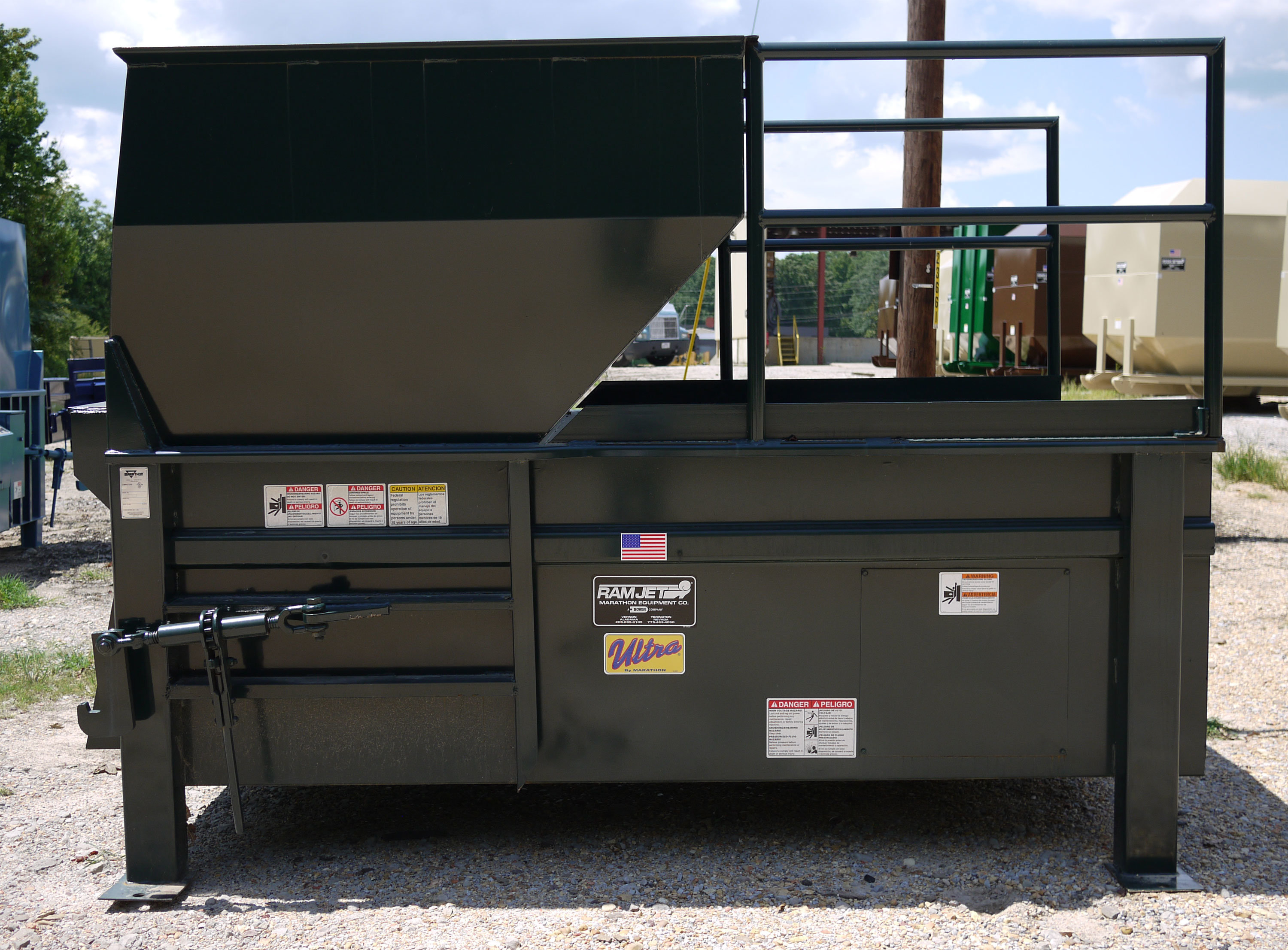
Progressed handling modern technologies such as compactors and shredders maximize waste quantity, helping with easier transport and handling. By using these innovative devices, waste administration facilities can especially increase the healing of important sources, such as steels, plastics, and paper, which can after that be reintroduced right into the manufacturing cycle.
The combination of improved waste sorting and handling not only fosters an environmentally liable method yet also motivates areas to embrace sustainable practices, inevitably adding to a round economic situation targeted at lowering garbage dump waste and conserving natural resources.
Price Cost Savings Through Improved Performance
Considerable expense financial savings can be recognized with enhanced performance in waste management procedures. By incorporating innovative waste Equipment, organizations can enhance their processes, decreasing labor costs and minimizing operational downtime. Automated systems improve sorting precision, leading to much less contamination and more effective recycling, which eventually decreases disposal costs.
Furthermore, energy-efficient machinery adds to minimized energy expenses, while maximized transmitting of collection cars decreases fuel intake. These performances not only reduce costs however additionally allow for better source allotment, making it possible for firms to buy additional technologies.
Preserving Equipment proactively can protect against costly malfunctions and expand equipment life-spans, providing lasting financial advantages. On the whole, the fostering of efficient waste administration practices and modern technologies cultivates a much more sustainable procedure, placing organizations for greater success and affordable benefit in a market increasingly focused on cost-effectiveness
Decrease of Ecological Impact
While applying advanced waste Equipment, organizations can substantially minimize their environmental effect. This reduction is accomplished through improved waste sorting and handling abilities, enabling greater rates of reusing and composting. By effectively dividing recyclable products from general waste, organizations decrease garbage dump usage, which in turn reduces methane exhausts-- a powerful greenhouse gas.
The use of energy-efficient waste Equipment decreases power intake, additional mitigating the carbon footprint linked with waste monitoring operations. Improved waste handling technologies can also transform waste into alternate energy resources, promoting a round economic situation and reducing dependence on fossil fuels.
Inevitably, organizations that spend in advanced waste Equipment add to a much healthier atmosphere by decreasing air pollution degrees and saving natural deposits. This proactive strategy not only meets regulative demands but additionally lines up with company social obligation goals, attracting eco conscious customers and stakeholders alike.
Enhanced Safety And Security and Conformity
They usually experience a noteworthy rise in safety and compliance within their operations when companies focus on the implementation of innovative waste Equipment. Enhanced waste monitoring systems minimize the threat of accidents connected to unsafe materials, as modern-day Equipment is made with security attributes that shield staff members and the environment (Commercial trash compactor equipment). Recommended Reading Confined systems reduce exposure to their explanation harmful compounds, while automated processes restrict human interaction with harmful waste.
In addition, adherence to regulatory standards is structured with using innovative waste Equipment. Organizations can a lot more conveniently track waste generation, storage space, and disposal, making certain conformity with government and local laws. This not only minimizes potential lawful repercussions but likewise enhances the company's reputation within the community. By purchasing state-of-the-art waste Equipment, companies demonstrate a dedication to preserving a secure workplace while meeting their ecological obligations, eventually fostering a culture of safety and security and compliance throughout their procedures
Technologies in Waste Equipment Technology
As innovations in modern technology remain to improve various industries, waste monitoring is experiencing a change with innovative Equipment created to improve performance and sustainability. The introduction of clever waste containers geared up with sensors enables real-time tracking of waste levels, enhancing collection routes and reducing gas consumption. Additionally, automated arranging systems use expert system to recognize and separate recyclables from general waste, greatly boosting reusing prices.
In addition, condensing and shredding modern technologies have actually advanced, allowing a lot more effective waste volume decrease, which can bring about reduced transportation costs. Advancements such as biodegradable waste cpus are also getting traction, transforming organic waste into functional garden compost, consequently sustaining environment-friendly practices. Solar-powered waste compactors are making strides in energy efficiency, utilizing renewable sources to run autonomously. Jointly, these developments not just streamline waste management processes yet likewise contribute to a more lasting future, mirroring a growing dedication to environmental responsibility.
Often Asked Inquiries
What Sorts Of Waste Equipment Are Typically Utilized in Waste Administration?
Exactly How Can Businesses Examine Their Waste Monitoring Requirements Successfully?
To assess waste monitoring needs successfully, services ought to evaluate waste kinds, volumes, regulatory demands, and disposal expenses. Conducting normal audits and consulting with sector specialists can aid recognize ideal methods and Equipment for effective waste handling.
Are There Government Rewards for Utilizing Waste Equipment?
Federal government incentives for utilizing waste Equipment differ by region, usually including tax obligation gives, credits, or subsidies. These programs intend to encourage organizations to enhance and adopt lasting methods waste administration performance through financial backing.
What Are the Upkeep Requirements for Waste Management Equipment?
Upkeep requirements for waste administration Equipment typically consist of routine inspections, lubrication of relocating components, cleansing to protect against blockages, and timely repair work. Complying with producer guidelines warranties peak efficiency and long life of the Equipment.
How Do I Select the Right Waste Equipment Provider?
Selecting the appropriate waste Equipment distributor includes evaluating their experience, item array, consumer find more information assistance, and prices. Researching testimonials and comparing several suppliers can help assure the selection straightens with certain waste management needs and objectives.
Efficient waste administration counts heavily on advanced waste Equipment. As waste monitoring methods advance, boosted waste sorting and processing modern technologies have actually come to be crucial for promoting sustainability. The usage of energy-efficient waste Equipment decreases power consumption, more mitigating the carbon impact linked with waste administration operations. Numerous types of waste Equipment are generally used in waste monitoring, consisting of compactors, shredders, balers, dumpsters, and recycling bins. To assess waste management requires successfully, companies should examine waste types, quantities, regulative demands, and disposal costs.